“Hail to the King, Baby”

I refuse to accept the view that mankind is so tragically bound to the starless midnight of racism and war that the bright daybreak of peace and brotherhood can never become a reality… I believe that unarmed truth and unconditional love will have the final word.

—Dr. Martin Luther King Jr.

As I type these words, I am listening to the Inauguration of Joe Biden and Kamala Harris. The oldest public official is being sworn in as the 46th President of the United States. Alongside him, the first woman takes the oath of Vice President, but not only that, she is the first African-American and Asian-American elected to the Executive Branch. Incredible. Ground-breaking. And I wonder how proud Dr. Martin Luther King Jr. would have been at this unique moment in American history.

But also, I am crafting this post just two days after the national holiday honoring this American Baptist minister and Civil Rights Leader from Atlanta, Georgia who won the 1964 Nobel Peace Prize for his commitment to advocating and embodying non-violence during an era, like today, of social unrest.
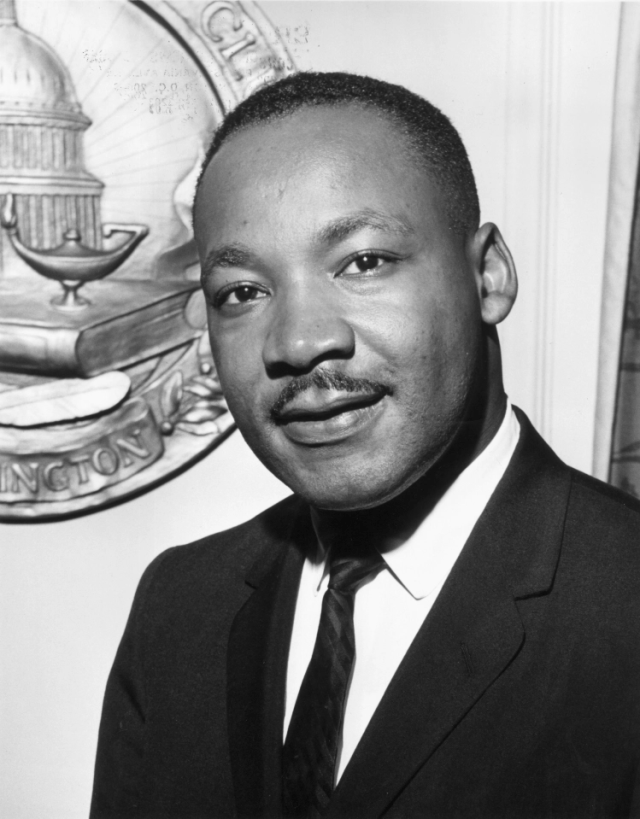
This photograph (courtesy of Getty Images) and one of several in this illuminating article by The Sun. I urge you to learn more about this paragon of peace, as his message was and remains one of unity, compassion, faith, and a relentless pursuit of equality for all. I hope today marks an American trudge—nay, a march—in the direction of these virtues.

On a personal note, as our six-month-year-old bounces joyfully in her Jolly Jumper and my wife revels in researching permaculture practices to aid her development of a food forest on a small piece of land within the city limits, I spend my day off eagerly awaiting the legal counsel of my brother, a graduate of the University of Wisconsin – Madison’s prestigious law program. Of the two recent stories I’ve been writing, one (“The Red Ensign”) is based on a vivid dream that I awoke from long after midnight, and the other (“Arcanum Involvolus”) takes inspiration from some beloved relations, playing out across four parts—including the courtroom speech of an impassioned attorney. Slowly but surely, these stories will come to fruition.

Finally, I conclude with how I began. This post’s title, “Hail to the King, Baby” is not only in observation of Martin Luther King Jr. Day but also pays homage to a line spoken by Army of Darkness protagonist Ash Williams (which was subsequently borrowed for use of the equally sardonic video game character, Duke Nukem.

Take care as you look for the light in your life, strive for happiness through the pursuit of your dreams, and treat others as you would care to be treated.

Yours in R’lyeh,

Tony LaMalfa

Giving Thanks

As the COVID-19 pandemic continues to strip away any illusions we have about our interconnectedness—between us and other people, the planet, and pretty much all life as we know it—this is the perfect time to tap into the roots of the commercial holidays we celebrate today. Take, for example, Thanksgiving.

In modern times, Thanksgiving is associated with family gatherings, watching football, Macy’s Day Parade floats, and eating lots of food (including turkeys . . . without their consent). If asked about the reason for this celebration, most folks raised in the United States hearken to a generic story taught in public schools regarding a shared meal between the Pilgrims and the American Indians.

However, as we peel back the narrative that we’re told about this holiday, it becomes important to more accurately honor its origins. Even after a cursory Internet search, one learns that History.com acknowledges the following (after which it provides links to several other articles regarding the Colonists and commercial exploits of Thanksgiving):

Thanksgiving, which occurs on the fourth Thursday in November, is based on the colonial Pilgrims’ 1621 harvest meal. The holiday continues to be a day for Americans to gather for a day of feasting, football and family.

USHistory.org offers a more detailed account, as in how it relates to William Bradford (the statement below is but a snippet from this website):

By autumn of 1621, the Pilgrims had much for which to be thankful. After the harvest, [Chief] Massasoit and about ninety other Indians joined the Pilgrims for the great English tradition of HARVEST FESTIVAL

But more scintillating, informative, and meaningful still is the content shared by DoSomething.org, a digital platform powering real-world impact. Its article, under the title “Truthsgiving: The True History of Thanksgiving”, discusses perspectives of this holiday as recognized by the Native Americans (meaning, those stories not taught in U.S. schools), the implications of these perspectives, and how you can support Native communities during Thanksgiving and beyond:

The “first Thanksgiving,” as a lot of folks understand it, was in 1621 between the Pilgrims of Plymouth Colony and the Wampanoag* tribe in present-day Massachusetts. While records indicate that this celebration did happen, there are a few misconceptions we need to clear up. [ . . . ] So here’s the full story.

I highly recommend you to explore this notion of “Truthsgiving” (beginning with the above DoSomething.org article) as you count your blessings near the end of this turbulent year. And with that note . . .

. . . my literary, theatrical, interpersonal, familial, occupational, and international endeavors—amongst others—would not be possible or as fulfilling without the support of my wife, Lexie. Each and every day I spend with her is a gift, as she is the keel that keeps my vessel even. For her, as well as our daughter, our families, friends, and Ferdinand (our rabbit companion), I give thanks. Furthermore, I extend gratitude to our health, our teachers past and present, our privileges, employment, and cozy apartment.

As you reflect on your own life’s blessings, for what do you give thanks?

On a writer’s note, I am thankful for the opportunity to have recently submitted an original tale, crafted specifically for the Horror Writer Association’s upcoming anthology, Other Fears. This collection of stories will “[revolve] around a recurring theme that often comes up in both critical analysis of the horror genre and discussions about the prejudices and biases people have against minority groups that manifest in myriad phobias: the idea of ‘otherness’.”

In keeping with the theme of this project, my submission touches upon the discrimination, disparities, and death experienced by people of color in the United States—historically and today. And I am proud to display the “Black Lives Matter” square on my website. When I learn the fate of my submission, I shall share more.

In the meantime, count your blessings, and keep on reading!

Yours in R’yleh,

Tony LaMalfa

An Oldie But a Goodie

The fine folks at Sirens Call Publications have accepted my story, “The Crimson Curse”, for reprinting in the Halloween issue (#51) of their Dark Fantasy and Horror eZine, The Sirens Call. Thank you!

This online publication includes short stories, flash fiction, poetry, and artwork of all grisly sorts.

The entire catalog of The Sirens Call is available to download, for free, at the following link: http://www.sirenscallpublications.com/ezine.htm

Be sure to check out this wealth of content if you are at all a fan of the macabre!

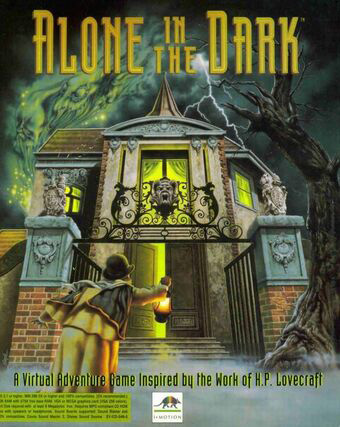
The title of this post also applies to a very significant milestone in my life: my first encounter, at age 8, with media inspired by H. P. Lovecraft: Alone in the Dark (which trumps my last post—about my initial adult encounter with Fantasy Flight’s Arkham Horror board game).

Playing a demo of this virtual adventure, the first 3D survival horror game, on my grandmother’s old Macintosh computer during the summer of 1994 brings back fond memories of childhood.

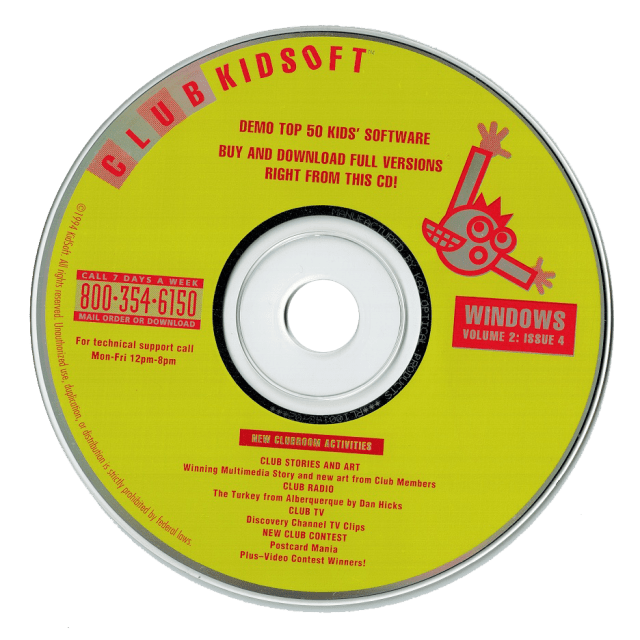
Developed by Frédérick Raynal and published in 1992 by Infogrames (now Atari SA), Alone in the Dark was the coolest demo on the Club Kidsoft CD, which my brother and I received with a magazine.

Other 30-some-year-olds may also remember this sample disc’s “The Turkey from Albuquerque” tune, by the fictional band Blue Oyster Stuffit.

At the time, I did not understand Alone in the Dark’s origins, nor did I realize the profound influence it would eventually have on my literary interest later in life; but needless to say, I was hooked!

Yours in R’lyeh,

Tony LaMalfa